1. Introduction
One of the primary responsibilities of customs administrations is to manage the import and export procedures of goods. At the heart of these operations lies the proper identification of the product, which forms the basis for customs legislation and its application. The Harmonized System (HS) Code is used as the foundational reference for classification, ensuring consistency across regulatory and procedural frameworks. Accurate HS code identification is essential not only for customs clearance but also for product safety, technical compliance and taxation. Foreign trade regulations worldwide emphasise the declarant’s responsibility in submitting correct data, which is subsequently verified by customs authorities. Today, the HS code is of great importance not only for the collection of standard customs duties in a country, but also for the application of many other taxes such as additional customs duties, equivalent financial charges, anti-dumping duties, anti-subsidy duties, value-added tax and special consumption tax. Furthermore, the HS code serves as the most important reference point in determining trade embargoes applied to one or more countries, identifying dual-use materials and technologies, and defining goods covered by free trade agreements, customs unions or cross-cumulation (World Customs Organization, n.d.).
Given the differences in applicable duties, accurate classification helps to avoid potential administrative burdens and ensures predictable costs. Consequently, thorough physical and chemical analyses become critical for reliable classification, particularly in cases where product composition is not visually discernible. As in most countries, customs laboratories in Türkiye operate in accordance with national legislation and customs laws (T.C. Resmî Gazete, n.d.).
Accurate tariff classification requires customs examination supported by physical and chemical laboratory analysis, particularly for goods with complex or non-discernible compositions. Without such examination, reliable HS code determination is not possible, and consequently, the applicable regulatory requirements, permissions and fiscal obligations cannot be identified.
For certain controlled goods, documentation based on laboratory analysis results is required prior to import. These documents, including HS code information, must be submitted to the relevant authorities before customs declaration. Therefore, laboratory analysis is typically performed during the preparation of customs clearance documentation or prior to the importation of goods. Customs control at border checkpoints represents one of the most critical and time-consuming stages of foreign trade processes. Accredited customs laboratories play a central role in streamlining these procedures by providing objective analytical data that supports accurate classification and regulatory compliance.
2. Case study: plastic-laminated jackets and semi-finished textiles
This article focuses on jackets and semi-finished textile products used in jacket manufacturing – classified as high-risk items in the textile industry – and evaluates HS code classification through physical and chemical analysis. It also highlights the essential role these methods play in accurate customs tariff positioning (Unsped Customs Consultancy Laboratory, n.d.).
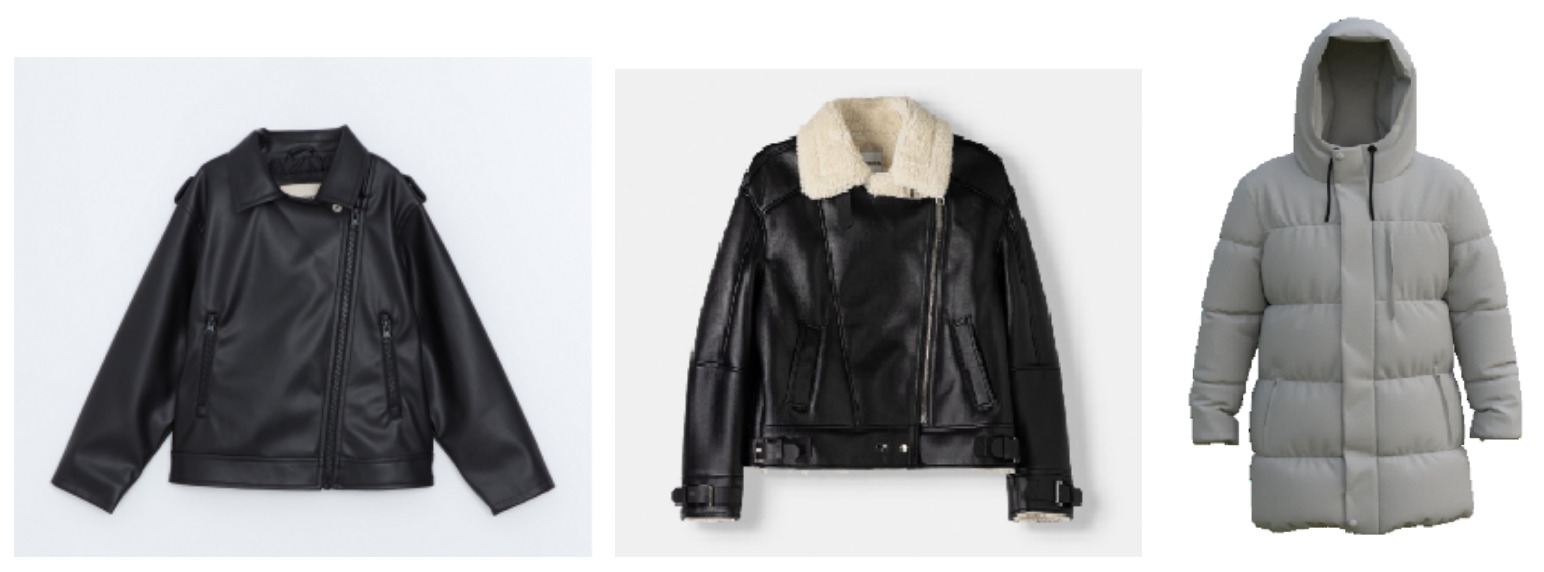
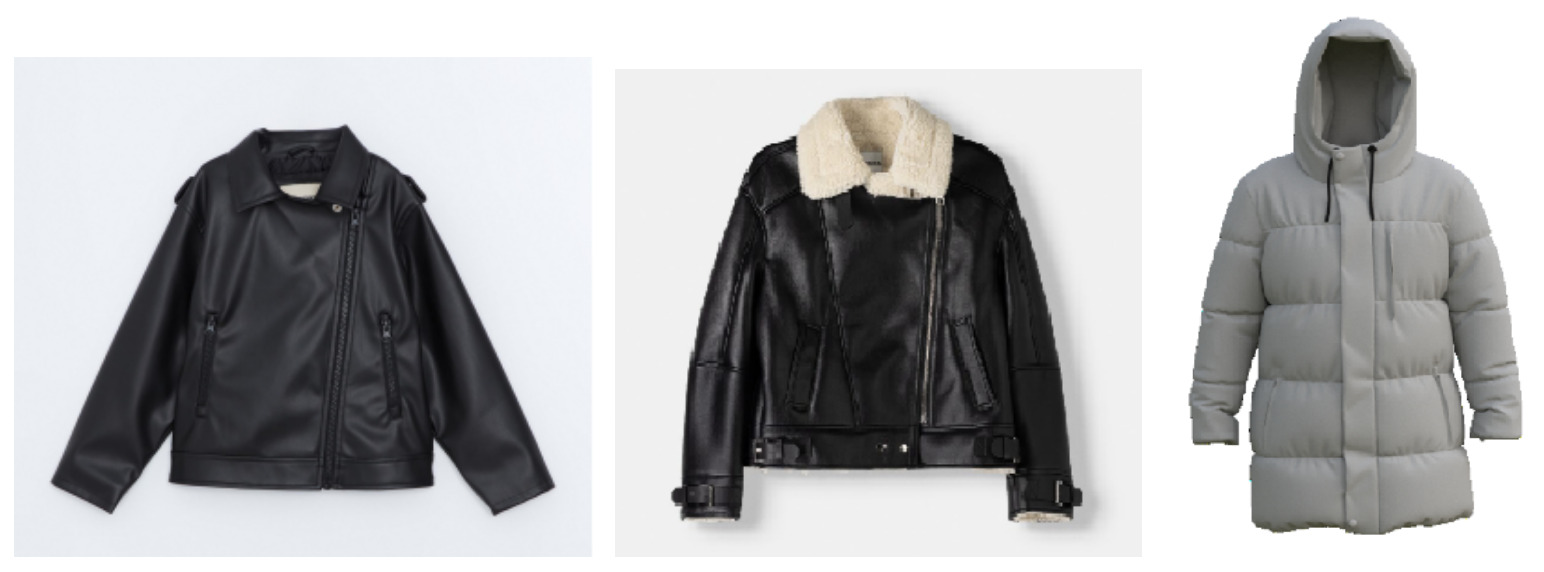
Products such as jackets may appear identical visually, yet fall under different tariff codes, as illustrated in Figure 1. Using visual or physical inspections only, without specialised instruments, it is nearly impossible to detect the differences. Therefore, customs chemists must conduct proper analyses to determine the correct code, revealing distinctions that are not visible to the naked eye.
Laboratory evaluations were conducted by trained customs chemists who microscopically examined cross-sections of products in accordance with the World Customs Organization (WCO) Explanatory Notes to the Harmonized System 2022 (WCO, 2022), as outlined below:
In this respect, unfigured, unbleached, bleached or uniformly dyed textile fabrics, felt or nonwovens, when applied to one face only of these plates, sheets, or strip are regarded as serving merely for reinforcing purposes. Figured, printed or more elaborately worked textiles (e.g., by raising) and special products, such as pile fabrics, tulle and lace and textile products of heading 58.11, are regarded as having a function beyond that of mere reinforcement… (Chapter 39, para. 3, VII-39-13)
2.1. Analysis of plastic-laminated textiles, and woven and knitted textiles
The textile analyses discussed below, using either a microscope or Fourier Transform Infrared (FT-IR) spectroscopy (Peets et al., 2017), were conducted in accordance with the WCO Explanatory Notes to the Harmonized System 2022 (WCO, 2022), as outlined previously.
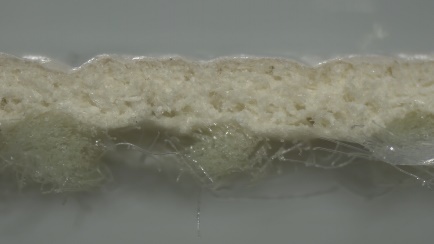
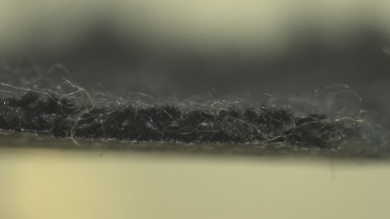
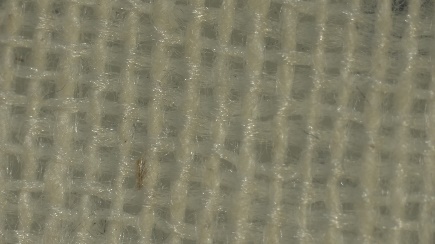
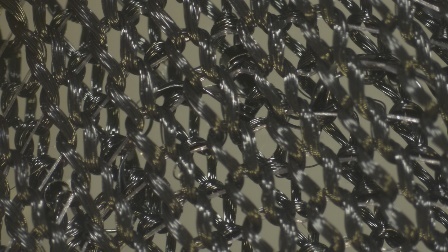
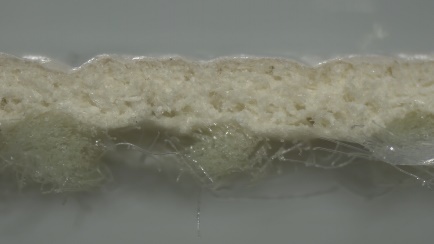
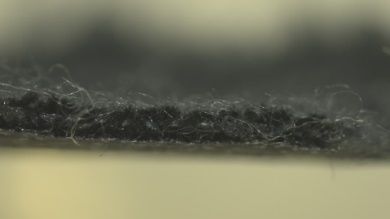
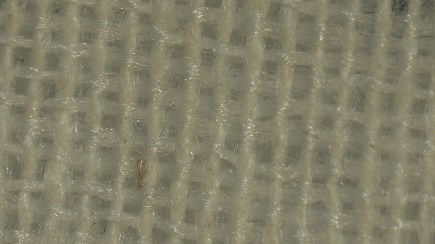
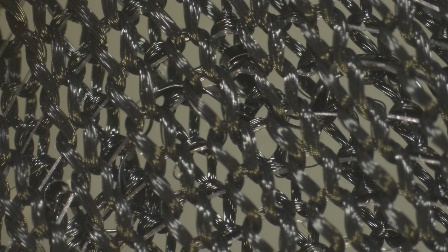
Jackets are typically composed of a dual-layer structure, textile and plastic. These layers serve functional purposes such as weather resistance and are joined through lamination. The type of textile (coated or uncoated), the structure of the plastic – cellular (Figure 2) or non-cellular (Figure 3)(Sen, 2007), and whether the textile is woven (Figure 4) or knitted (Figure 5) (Kovačević et al., 2010) play a critical role in tariff classification.
Coated textile is a material onto which one or more coating layers, typically composed of polymers, resins, rubbers and films, are applied to impart specific functional properties such as water resistance, wind resistance or enhanced durability. Uncoated textile is a material produced by weaving or knitting, or it can be nonwoven; it does not have any surface coating such as polymers, resins, rubbers, or films, thereby preserving the inherent structural and physical properties of the textile.
Cellular plastic contains gas-filled cells that create a porous structure with low density and insulating properties, whereas non-cellular plastics have a solid, homogeneous structure that does not contain gas-filled cells or pores. This provides higher density, greater mechanical strength and lower insulation performance.
Here, FT-IR spectroscopy was used to distinguish-laminated textile products from non-laminated textile products whereas microscopic analysis was employed to differentiate cellular (porous) plastics from non-cellular plastics.
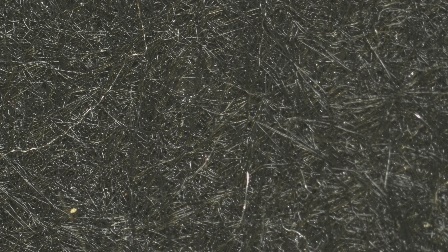
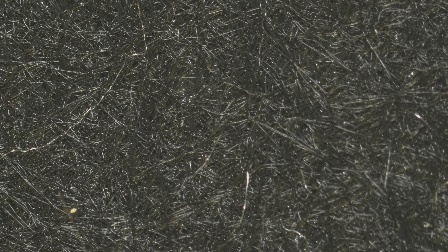
Microscopic analyses using techniques developed in-house at the Unsped Customs Consultancy Laboratory showed that certain jackets are laminated with cellular plastics (Figure 2), while others use non-cellular plastic (Figure 3). In addition, the textile component varied among products; some are composed of knitted fabrics (Figure 5), others of woven fabrics (Figure 4), and in certain cases, raised textiles (Figure 6) were present, indicating value-added characteristics relevant to classification (Fung, 2002).
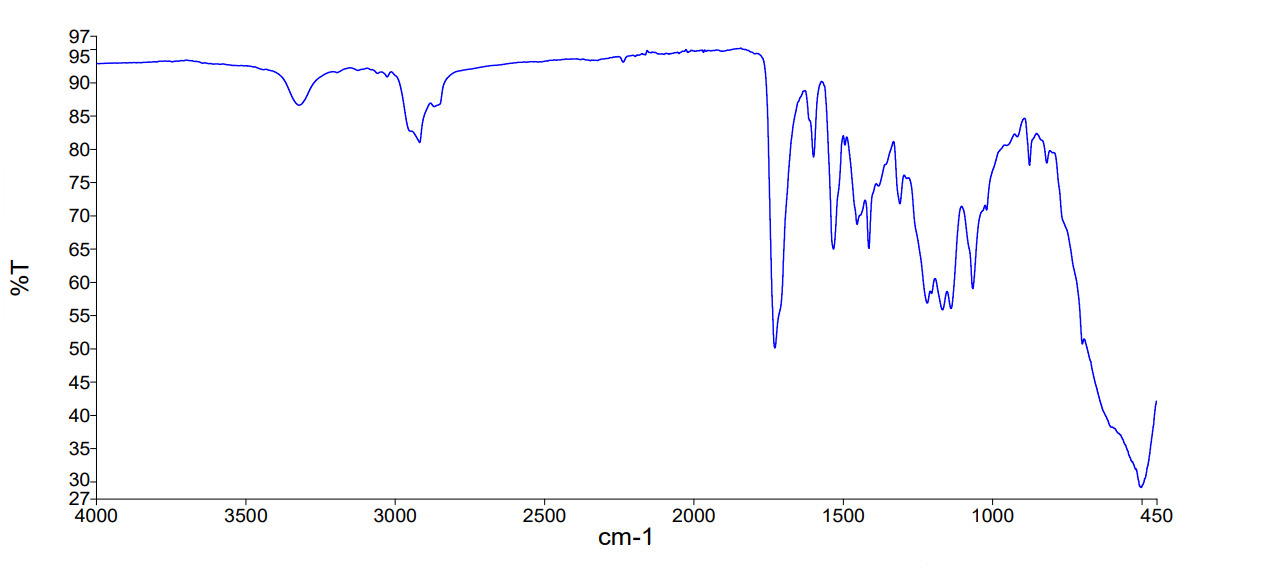
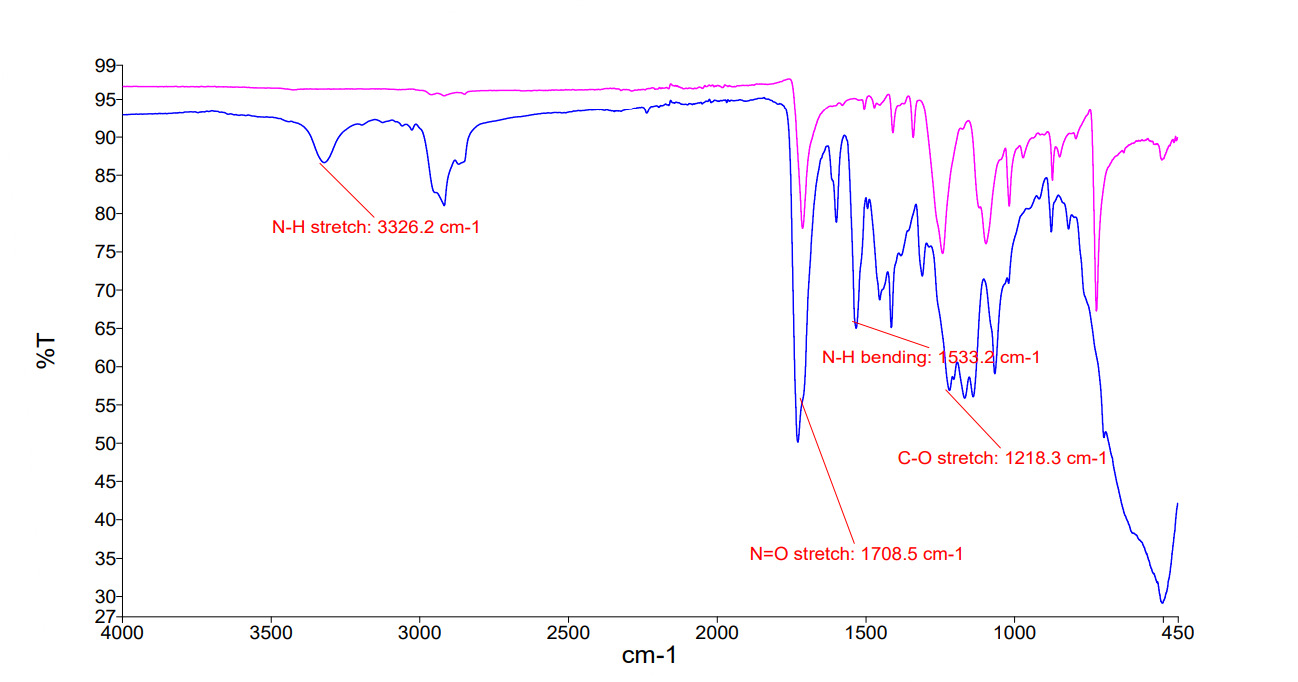
An example of FT-IR analysis (Scherzer, 2020) of a sample of polyurethane-type plastic laminated textile from a jacket is shown in Figure 7. FT-IR analysis of the plastic film was carried out to determine its chemical composition and structure (Cei et al., 2024). This analysis demonstrates the type of plastic, such as polyurethane, polyethylene, polypropylene, polystyrene and PVC (Barbeş et al., 2014). The FT-IR spectrum of the plastic film shown in Figure 7 has main absorption bands for polyurethane at 1532.3 cm-1 (corresponding to the N-H bending vibration of the urethane bridge), 3326.2 cm-1 (corresponding to the N-H stretch), a sharp peak at 1708.5 cm-1 (corresponding to the typical stretching vibration of the C=O bond present in the polyurethane group) and 1218.3 cm-1 (which refers to the C-O stretch). The spectrum confirms that the type of plastic used in the jacket is polyurethane.
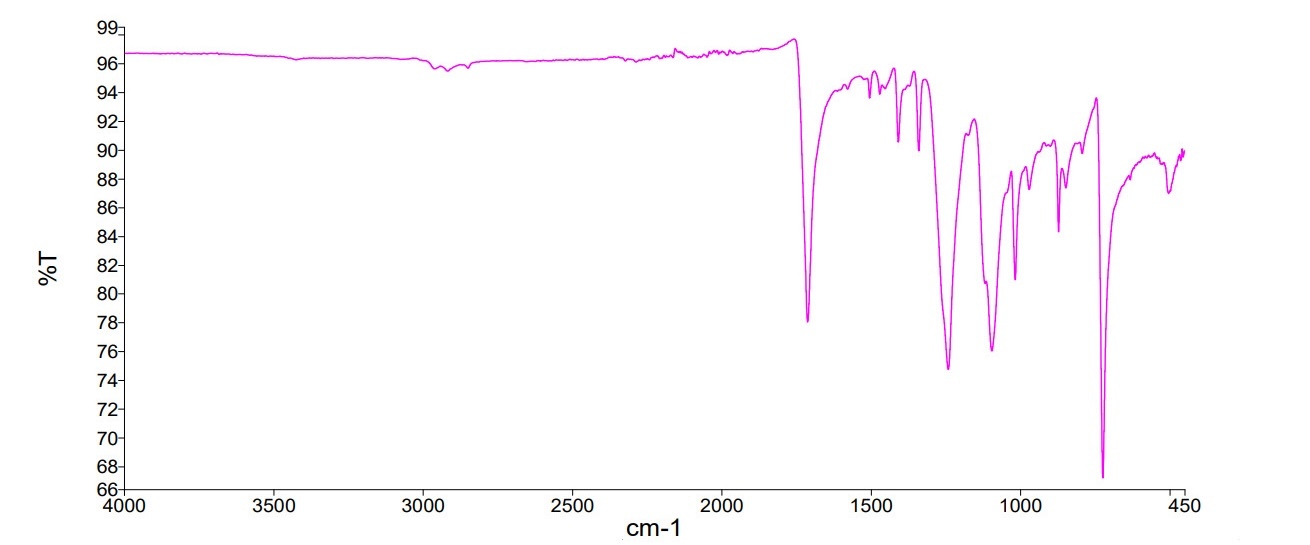
For each coated (Figure 7) and uncoated textile sample (Figure 8), many FT-IR spectra from different places on the jackets were acquired so that the spectra are statistically significant (results not shown). The differences in spectra between coated and noncoated textiles are shown in Figure 9.
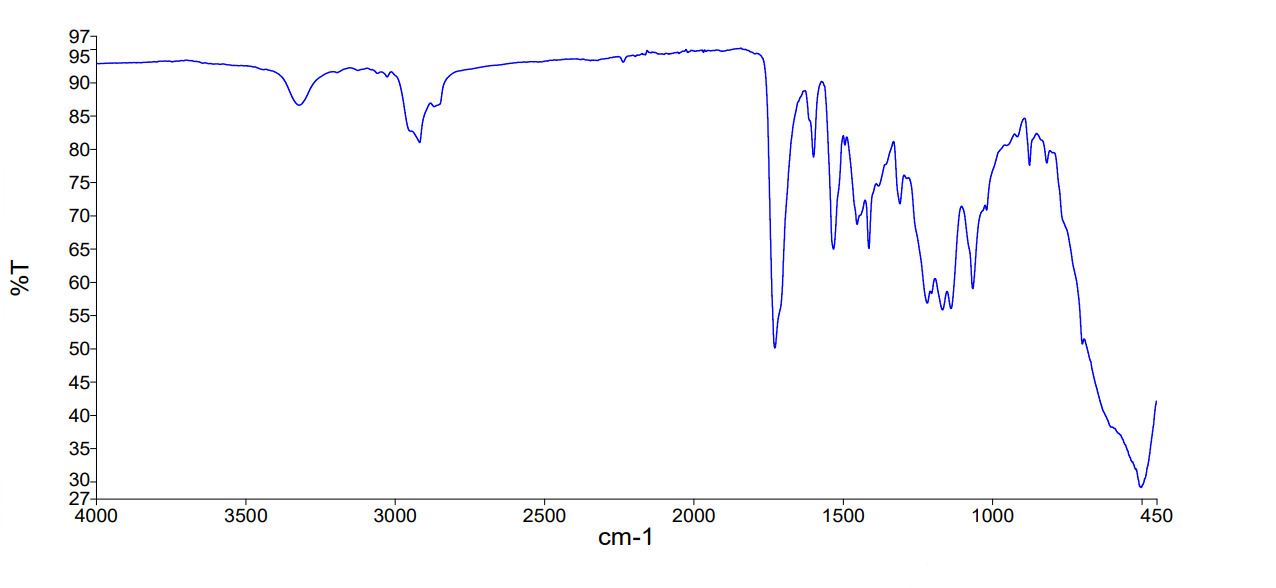
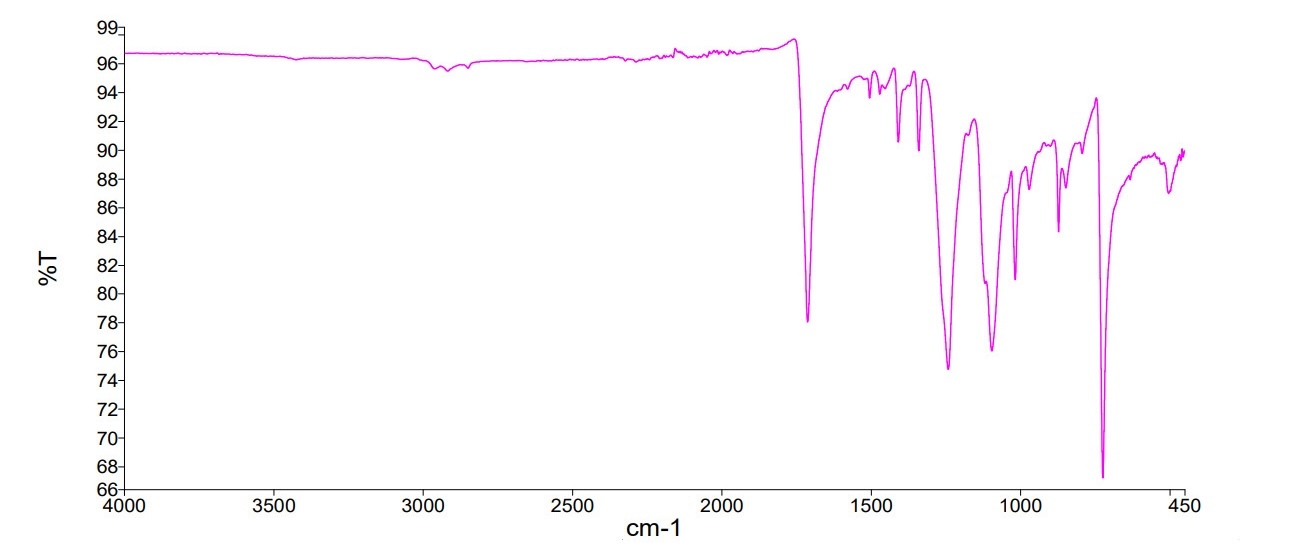
_and_uncoated_(pink)_textiles.png)
The appearance of characteristic polymer absorption bands in the coated sample confirmed the presence of a polymeric coating layer (Figure 9). Moreover, the FT-IR analysis enabled identification of the specific polymer type used in the coating, polyurethane.
Accordingly, based on the analytical results obtained for the jackets presented in Figure 1, it was possible to determine the accurate HS codes, as reported in Table 1.
3. Tax implications of misclassification
Table 2 demonstrates how the total tax burden can vary significantly depending on the HS code used during import classification.
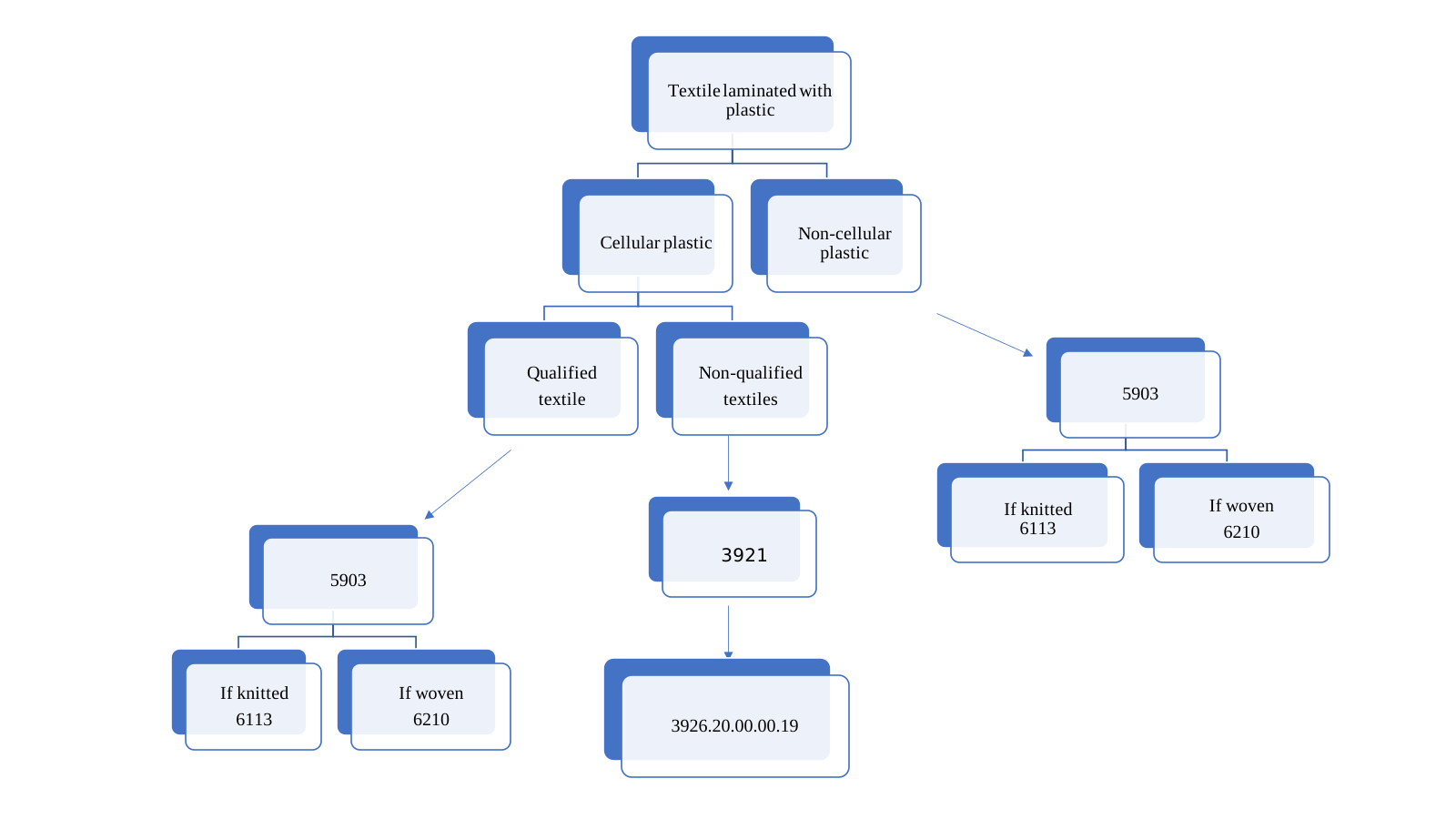
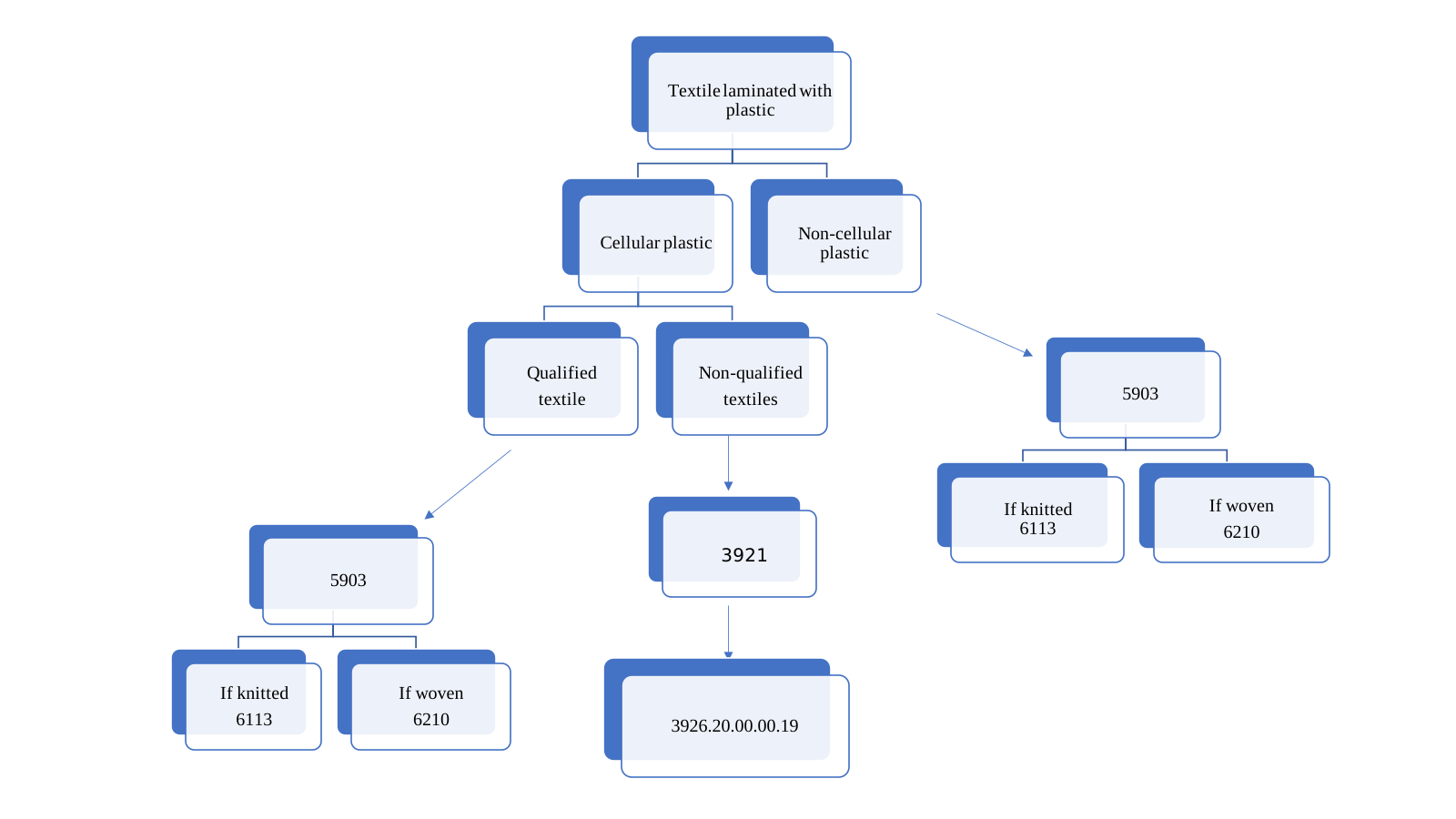
HS code 3926.20.00.00.19 is associated with the lowest tax burden among the listed tariff headings in Table 2, with an applicable duty rate of 6.5 per cent. As a result, products classified under this code must strictly comply with the relevant technical criteria, as any misclassification – whether intentional or unintentional – may lead to regulatory non-compliance and legal or financial risks. By contrast, HS codes 6210.20/30.00.00.00 and 6113.00.90.00.00 are subject to a higher tax burden, with duty rates reaching 12 per cent. A chart such as the one shown in Figure 10 should be consulted to find the most accurate HS Code. This chart facilitates the customs clearance of goods.
4. Discussion
Using 3926.20.00.00.19 as the HS Code results in a substantially lower tax obligation, which makes it advantageous in relation to taxes, yet it would be risky if the product does not accurately fall under this code. HS Codes with both headings 6210 and 6113 carry a heavier tax burden and are often applicable to textile and clothing items. While they are less advantageous in terms of taxes, using the correct HS code avoids compliance issues Misclassification can result in severe consequences including fines, retroactive tax liability and reputational damage, which may result in further problems in future customs transactions.
5. Conclusion
This study highlights the importance of technical precision in the tariff classification of plastic-laminated textile products. We have successfully distinguished plastic-laminated textile products from non-laminated textile products using FT-IR spectroscopy. We also distinguished cellular plastic and non-cellular plastic using microscopic analysis. While many items may appear similar at first glance, differences in composition and structure may lead to incorrect classification outcomes. Ensuring accurate HS code designation supports both regulatory compliance and the efficient application of national customs laws, in alignment with international standards.
Our analyses show that this system not only allows remote certification of foreign trade goods, but also simplifies the process and provides tangible financial and temporal benefits to traders. Without customs examination, it is impossible to determine a reliable HS code, and without the reliable HS code it is impossible to determine the need for certification of these goods. Customs examinations also play a crucial role in determining HS codes of certain products, differentiating HS codes, and preventing companies from paying unnecessary taxes and avoidable penalties.
Acknowledgments
The authors would like to thank Mr Mehmet Haluk Ündeğer and Mr Yusuf Bulut Öztürk for their support in establishing the laboratory, and the chemistry laboratory team for their contributions to the testing and analysis processes of the products studied in this research.
The terms qualified and non-qualified textiles refer to the presence or absence of surface qualifications, respectively. Surface qualification does not merely serve as a reinforcing support for the plastic lamination but also contributes functional and aesthetic characteristics to the final product. Therefore, when laminated with plastic, such textiles are classified as qualified textiles. In contrast, non-qualified textiles are plain, unfigured and uniformly dyed fabrics, which function primarily as a reinforcement, in accordance with the Explanatory Notes to the Harmonized System 2022. Chapter 39: Plastics and articles thereof (WCO, 2022).